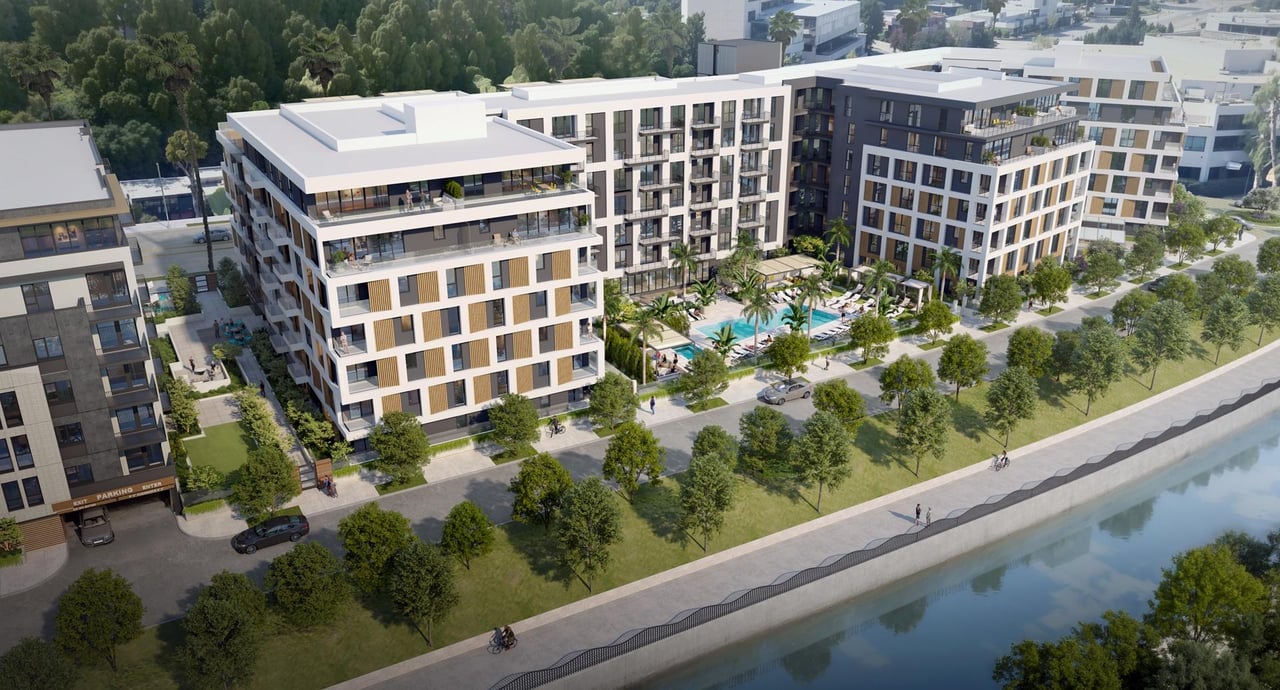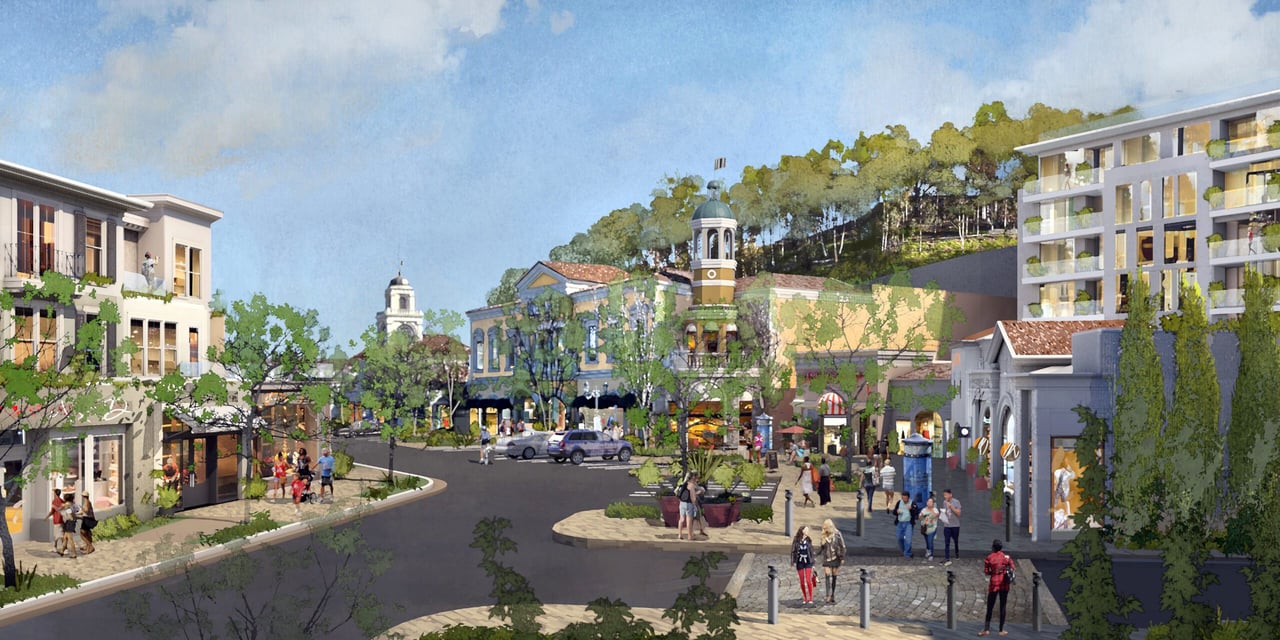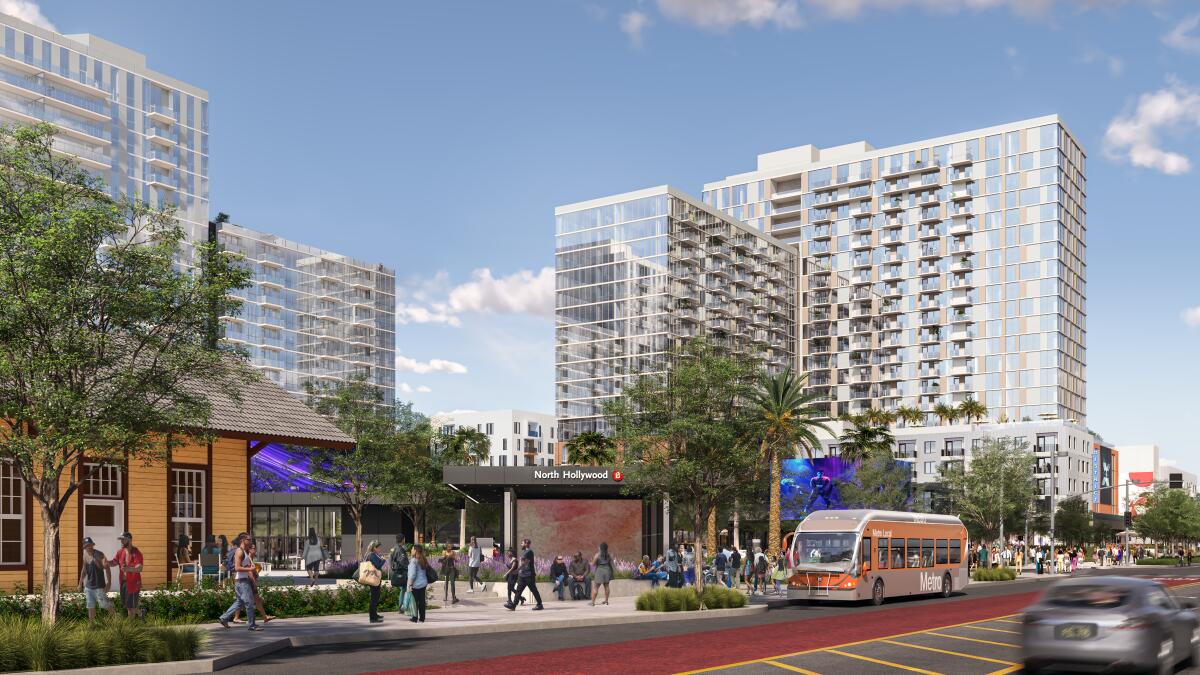
For years, most major Los Angeles development focused on areas like Downtown LA, Hollywood, Santa Monica, and the Westside. But over the past several years, the San Fernando Valley — especially Woodland Hills, Warner Center, Calabasas, and surrounding communities — has become one of the most active development zones in Southern California. Developers are investing billions into the West Valley through mixed-use projects, residential developments, entertainment districts, office redevelopments, and infrastructure improvements. So why are developers suddenly betting so heavily on the West Valley? Here are the biggest reasons:
Large Redevelopment Opportunities
One of the biggest reasons developers are targeting the West Valley is space. Unlike many areas of Los Angeles where land is limited, the West Valley still contains major redevelopment parcels. Examples include:
- Former mall properties
- Aging office campuses
- Underutilized commercial land
- Older shopping centers
- Large parking lot sites
Many parts of Los Angeles are too dense and expensive for large transformational projects. The West Valley still offers the ability to build at scale.
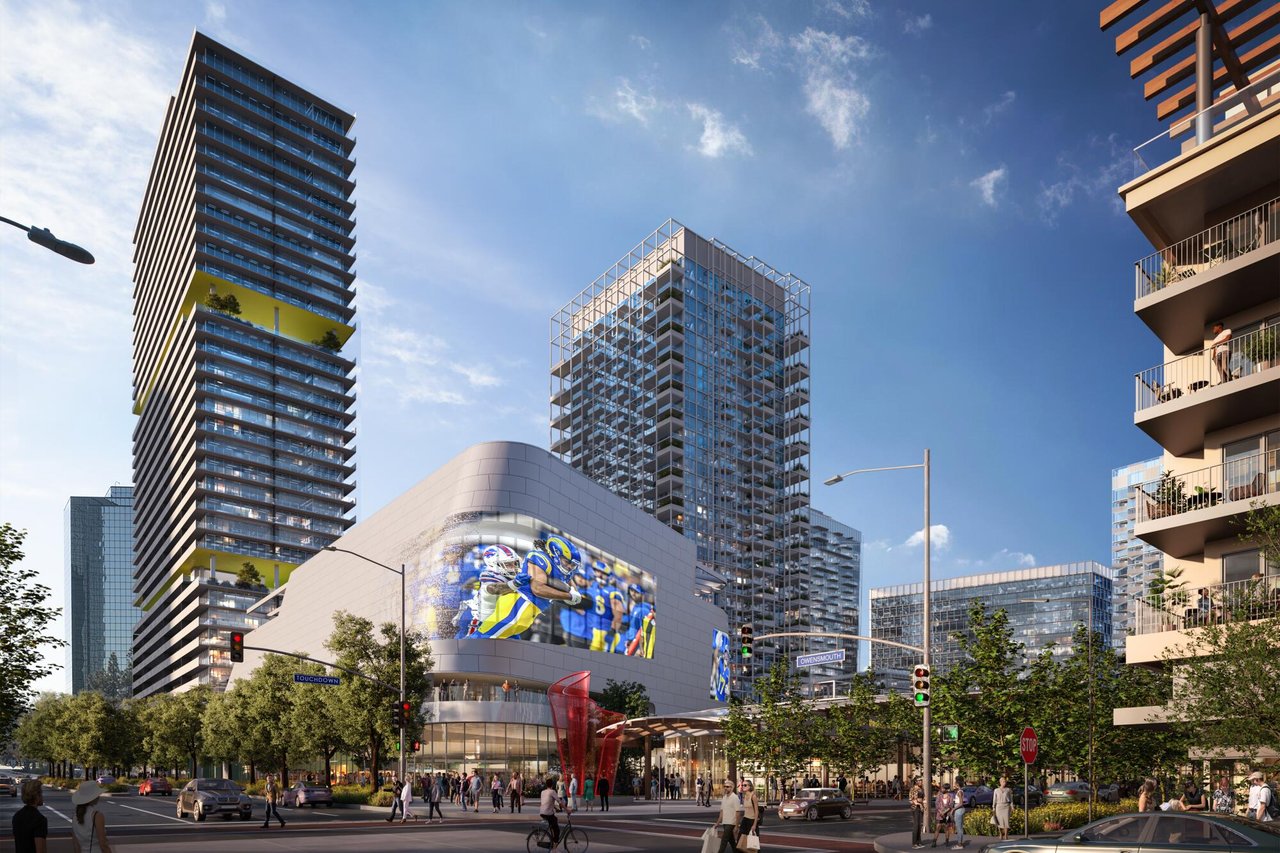
The Transformation of Warner Center and The Rams Village Effect
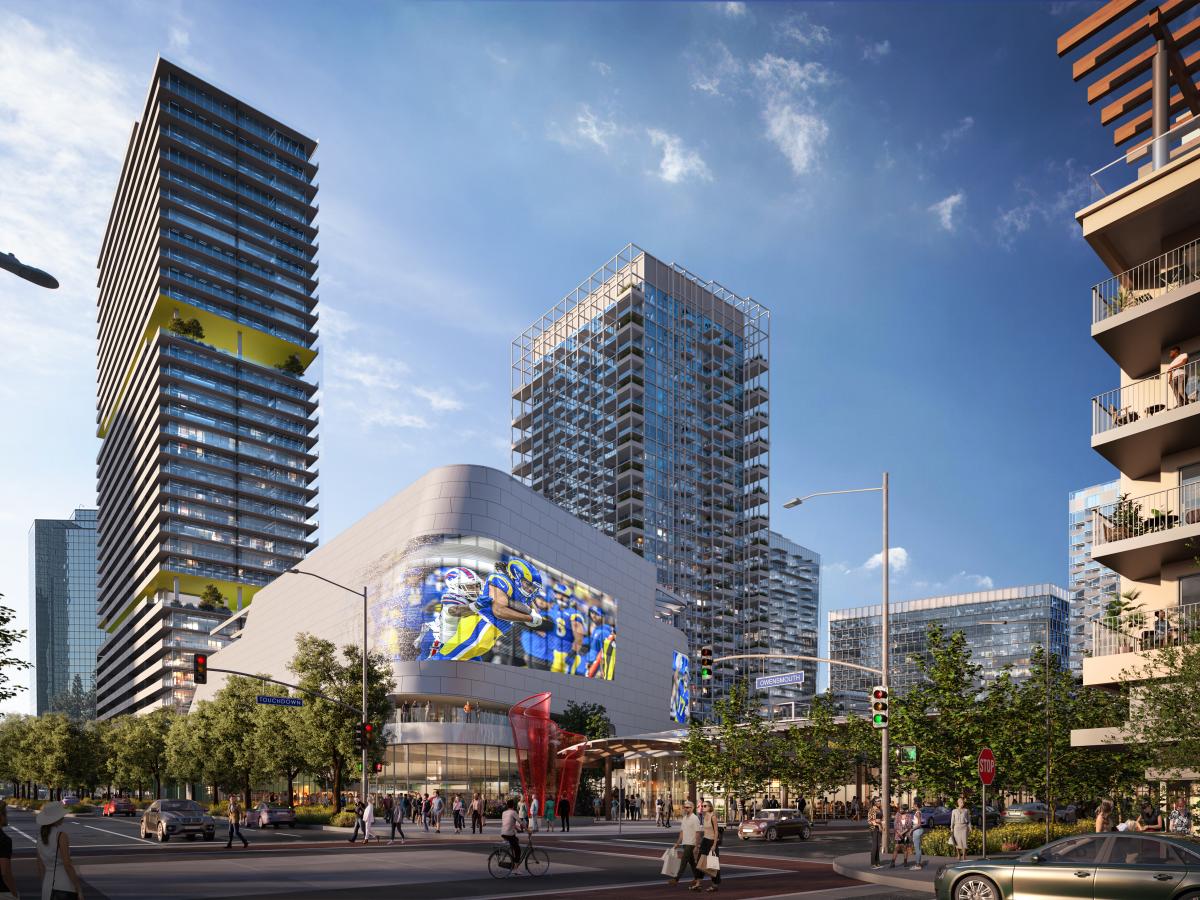
Warner Center has become one of the most important redevelopment areas in Los Angeles. Current changes include:
- Los Angeles Rams Headquarters
- Mixed-use projects
- Office redevelopment
- Streetscape improvements
- Transit-oriented planning
- Increased residential density
Many planners now view Warner Center as a future downtown-style district for the San Fernando Valley.
More Affordable Than the Westside
Compared to areas like Santa Monica, Brentwood, and Beverly Hills, the West Valley still offers relatively lower land costs. This creates several advantages for developers:
- Lower acquisition costs
- Larger project feasibility
- Better long-term return potential
Ability to build at scale As development costs continue increasing throughout Los Angeles, the West Valley has become increasingly attractive from an investment standpoint.
Growing Demand for Walkable Communities
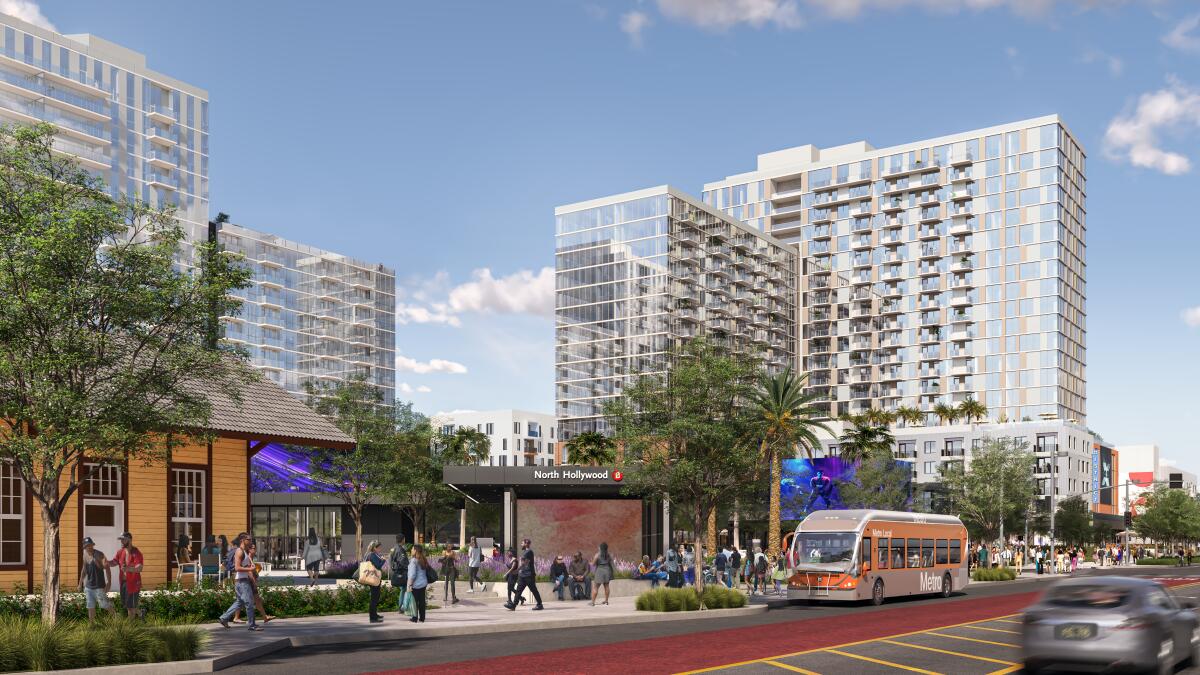
Buyer and consumer preferences have shifted significantly. Consumers increasingly want:
- Walkable neighborhoods
- Outdoor dining
- Entertainment nearby
- Mixed-use communities
- Lifestyle-focused developments
Developers are moving away from isolated office parks and enclosed malls and instead building environments centered around housing, restaurants, entertainment, and public gathering spaces.
What This Could Mean for Homeowners
Large-scale development often impacts nearby real estate markets. Potential effects include:
- Increased buyer demand
- Higher property values
- Greater neighborhood visibility
- Increased rental demand
- More dining and entertainment options
Concerns About Rapid Development
Not all residents support the pace of growth. Common concerns include:
- Increased traffic
- Parking challenges
- Higher density
- Construction disruption
- Rising housing costs
Traffic remains one of the largest concerns throughout the West Valley, especially near the 101 freeway and major commercial corridors